
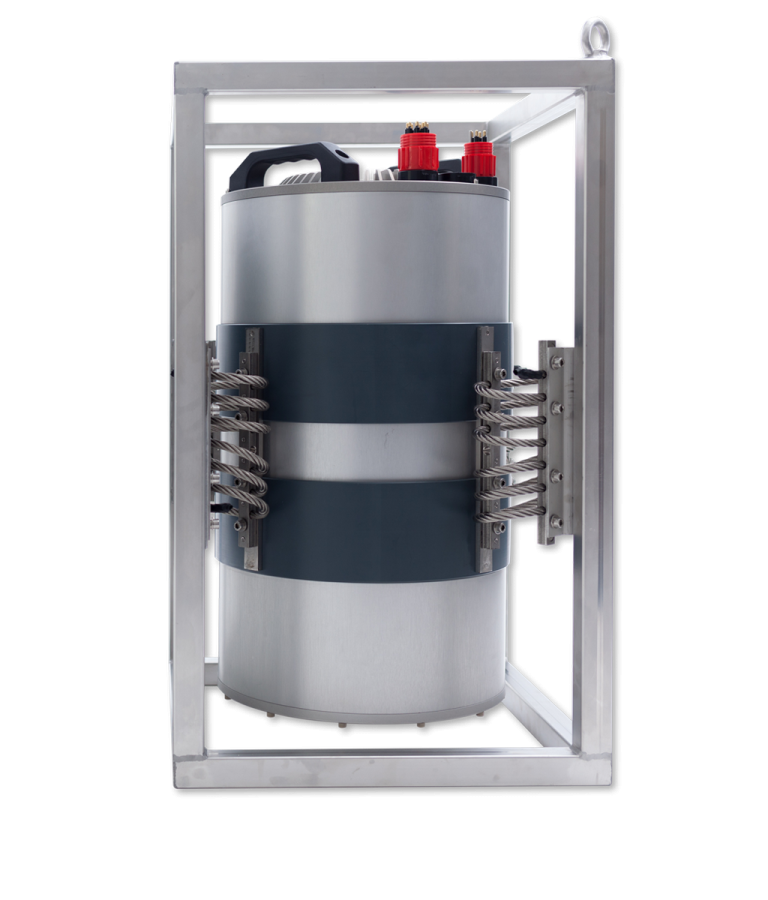
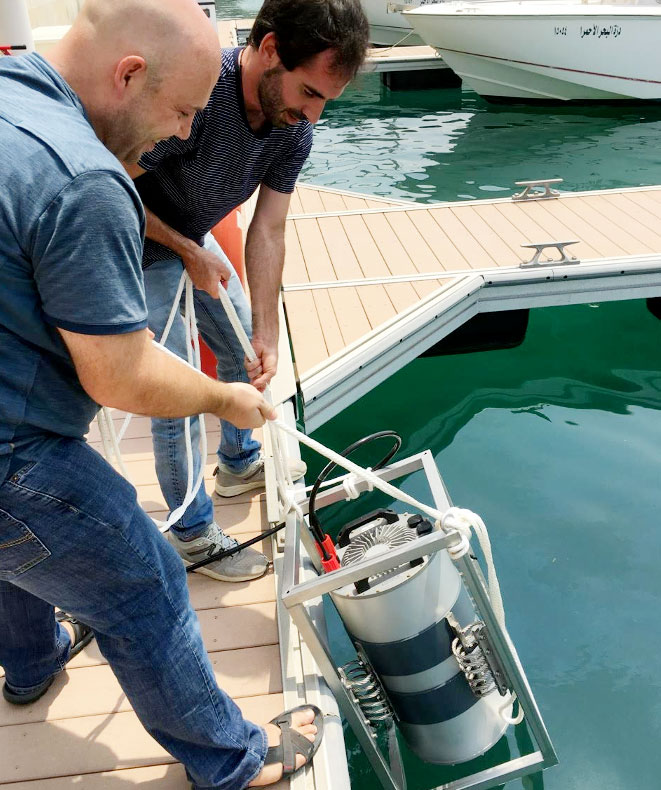

CytoSub provides a new type of comprehensive data for these applications, for an unprecedented size range of particulate matter and organisms.
For example:
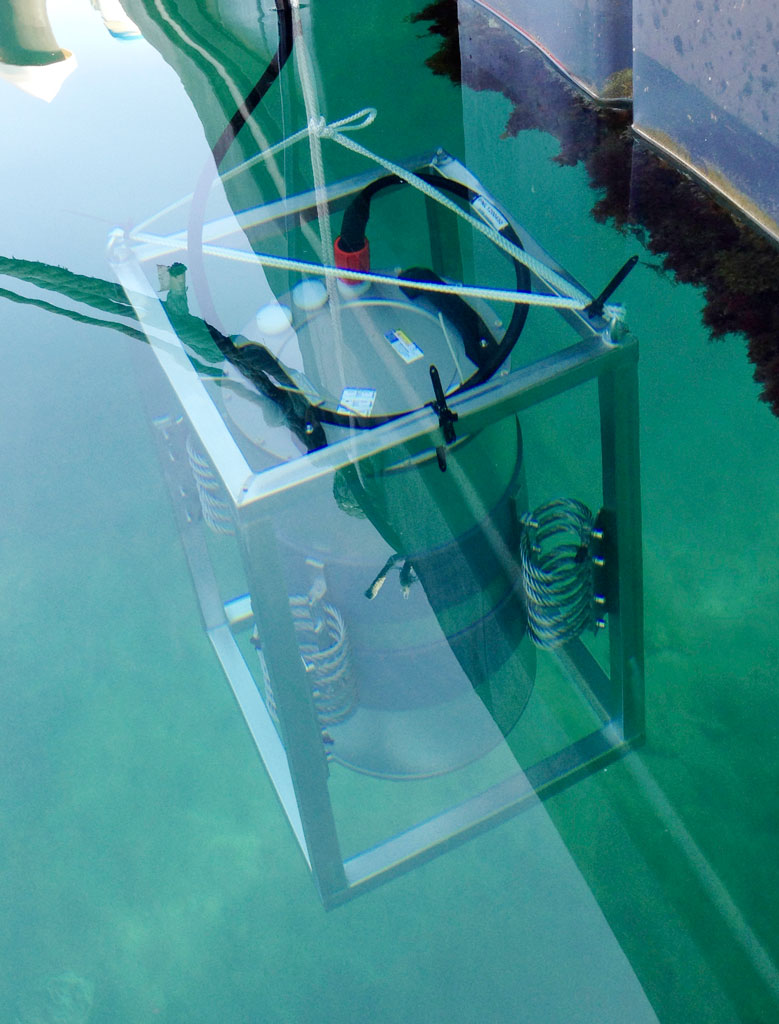
Operates to 200 m water depth
Compact design for handling and mounting e.g. on frame or in buoy
Marine cables for interactive control, data transmission and power supply
Low power use for battery operation (without cable)
Easily convertible for benchtop use
Large data storage capacity in built-in computer
Robust control unit for connection to computer/network and power
Internal system for long autonomous operation : particle filter, activated carbon, biocide and calibration beads dosing
To support harmonisation across the community, Dr. Veronique Creach (Cefas) is developing a Terms of Reference (TOR) within the ICES Working Group on Phytoplankton and Microbial Ecology (WGPME): “Create a guide for determining consistent plankton observations at high frequency.”
High-frequency flow cytometry and imaging are increasingly used to characterise phytoplankton diversity, including community cell-size structure. This approach aligns with the GOOS-edited (2025) Essential Ocean Variable Specification Sheet and supports higher-order products such as Phytoplankton Functional Types. As autonomous, high-sampling deployments expand, shared best practices for
collection, measurement, and analysis are essential.
To support harmonisation across the community, we are developing a Terms of Reference (TOR) within the ICES Working Group on Phytoplankton and Microbial Ecology (WGPME): “Create a guide for determining consistent plankton observations at high frequency.”
Who we’re looking for: CytoBuoy users (any platform or configuration).
What to share: sampling workflows, calibration/QA approaches, processing pipelines, metadata practices, and lessons learned from autonomous/high-frequency deployments.
Why participate: help establish consistent methods and improve
comparability across datasets and regions.
If you use a CytoBuoy instrument and would like to contribute, please contact Dr Veronique Creach (veronique.creach@cefas.gov.uk) or Nicole Poulton (npoulton@bigelow.org). A brief note describing your instrument configuration and use case is enough to get started.